
"mountain climate"
8000 article(s) found

A brief introduction to the cultivation of sweet and mellow boutique coffee beans, geographical location, climate and altitude
Alishan Mafeel coffee belongs to alpine coffee and belongs to the high-quality boutique coffee in Taiwan. It ranks first in Asia and eighth in the world. Coffee trees are mainly planted in southern Taiwan, such as Alishan in Chiayi County, Taiwan. because of its high altitude, Alishan is not only suitable for growing tea, but also more suitable for growing coffee. Belong to coffee

Introduction to the planting conditions of Blue Mountain Coffee, Climate and altitude
Following Cafe (official Wechat account vdailycom) found that Beautiful Cafe opened a small shop of its own the best growing conditions in the world Jamaica's weather, geological structure and topography together provide an ideal place. The designated Jamaican Blue Mountain Coffee can only be grown in the Blue Mountain area, north-east of the island of Jamaica in Kingston. Coffee grows at a maximum of 1800 meters (

Introduction to the fragrant Ecuadorian Coffee Flavor and the Fine Coffee in the Manor area
Ecuador is divided into the western coast, the central mountains, the eastern Amazon River basin and the four central regions of the Galapagos Islands, with diverse climatic conditions. The western coastal plain belongs to the tropical rain forest climate, with an average temperature of 23-25 ℃. The central Andes. The intermountain basin in this area belongs to the savanna climate, and the mountain belongs to the subtropical forest climate, with perennial snow above 4000 meters above sea level. Annual average decline
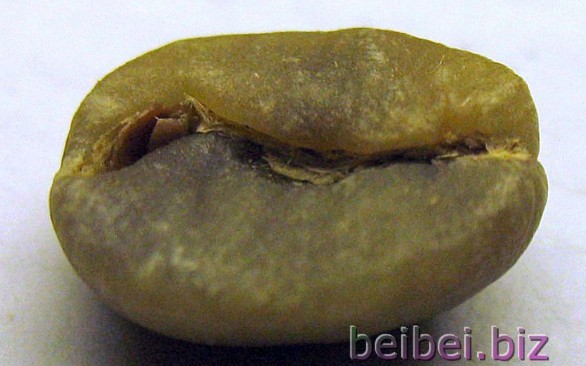
World boutique coffee manor Jamaican coffee beans: blue Mountain Mavis bank Grade 1 raw beans
Introduction: Jamaica Blue Mountain Mavis bank Grade 1 raw beans. Because of its superior geographical and climatic conditions, Blue Mountain Coffee is superior to others in taste and aroma. The unique flavor of Jamaica Blue Mountain Mavis bank Grade 1 raw bean Blue Mountain Coffee is related to the geographical location and climatic conditions of the Blue Mountain. Generally speaking, south of the Tropic of Cancer and north of the Tropic of Cancer

Cultivation of authentic imported NO.1 coffee beans from Blue Mountain, Jamaica, geographical location, climate sea
The secret of the pure taste of Blue Mountain Coffee their coffee trees are all grown on the rugged hillsides, and the picking process is so difficult that non-local skilled women are simply unable to do it. It is very important to choose the right ripe coffee beans when picking. Immaturity or ripeness will affect the quality of the coffee. The picked coffee beans are shelled on the same day, and then let them ferment for 1218 hours. This

Santo Domingo Coffee in Dominica Coffee region with savanna climate
The earliest coffee in Dominica was introduced from Martinique (the overseas province of France), dating back to the early 18th century. Dominica is an island country with a tropical climate. The temperature changes little throughout the year. Except for the lower temperature in the Central Cordillera Mountains, which can reach less than 0 ℃ in winter, the annual average temperature in other areas is between 25 and 30 ℃, which is affected by the mountain topography.

A brief introduction to the cultivation of highly scented Jamaican boutique coffee beans, geographical location, climate and altitude
(Jamaica Blue Mountain Coffee), of which Blue Mountain Coffee and Alpine Coffee are each divided into four grades. From top to bottom in terms of quality, NO.1, NO.2, NO.3 and PB,PB are round beans. According to CIB standards, only coffee grown above 666m above sea level is called Jamaican Blue Mountain Coffee; the highest peak of the Blue Mountain is Galle at 2256 meters above sea level.

A brief introduction to the cultivation of well-balanced Coffee beans in Crystal Mountain, Cuba, Climate and altitude
Cubita is Cuban coffee, which is mainly exported to Japan, France, Germany, Ireland, Canada and other countries. The cubita coffee entering the Chinese market is all selected from the pollution-free Crystal Mountain coffee beans in the high altitude areas of Cuba, which is a typical Caribbean coffee bean. All the granules of coffee beans are strictly selected according to the standard of sieve 17-19, and the selected coffee beans have large particles and high maturity.

Coffee planting method Coffee Origin Colombian Coffee
The suitable climate of Colombian coffee provides a real natural pasture for coffee. Coffee trees in Colombia are mainly cultivated in the Andes, on steep slopes about 1300 meters above sea level, where the annual temperature is about 18 degrees Celsius, annual rainfall is 2000 to 3000 mm, latitude 1-11-15, longitude 72-78 the suitable climate of Colombia provides coffee.

Flavor Description of Colombia Coffee Bean Grind Scale Production Area Treatment Taste Introduction
Colombia Coffee Bean Flavor Description Grind Scale Production Area Treatment Taste Introduction Colombia's favorable climate provides a true natural pasture for coffee. Coffee trees in Colombia are cultivated mainly in the Andes, on steep slopes up to 1,300 meters above sea level, where the temperature is about 18 degrees Celsius all year round, the annual rainfall is 2000 to 3000 mm, and the latitude is 1 - 1

Introduction to the characteristics of Ecuador Fine Coffee Flavor Manor
Ecuador is divided into the western coast, the central mountains, the eastern Amazon River basin and the four central regions of the Galapagos Islands, with diverse climatic conditions. The western coastal plain belongs to the tropical rain forest climate, with an average temperature of 23-25 ℃. The central Andes. The intermountain basin in this area belongs to the savanna climate, and the mountain belongs to the subtropical forest climate, with perennial snow above 4000 meters above sea level. Annual average decline

Light sweet Cuban boutique coffee beans Crystal Mountain Coffee Flavor Manor area introduces Cuba
The highest peak of the Blue Mountains, which is 2256 meters above sea level, is the highest peak in the Caribbean and a famous tourist attraction. Located in the coffee belt, with fertile volcanic soil, fresh air, no pollution, humid climate, foggy and rainy all the year round (the average precipitation is 1980 mm, the temperature is about 27 degrees), this climate has created the world-famous Jamaican Blue Mountain Coffee. At the same time, it also created the world.

A brief introduction to the cultivation of long-lasting fruit-flavored Jamaican boutique coffee beans, geographical location, climate and altitude
As Japan has always invested in the Jamaican coffee industry, Blue Mountain Coffee is mostly owned by the Japanese, and they have also obtained the right of preemption of Blue Mountain Coffee. In 1992, Jamaica sold 688 tons of Blue Mountain coffee to Japan, 75 tons to the United States and 59 tons to Britain. 90% of Blue Mountain coffee is bought by the Japanese. Since the rest of the world can only get 10% of Blue Mountain, regardless of the price

How does Blue Mountain Coffee taste different from other coffees?
Blue Mountain Coffee is the highest peak in the Caribbean and a famous tourist attraction. Located in the coffee belt, with fertile volcanic soil, fresh air, no pollution, humid climate, foggy and rainy all the year round (the average precipitation is 1980 mm, the temperature is around 27 degrees), this climate has created the world-famous Jamaican Blue Mountain Coffee. At the same time, it also makes the world's second highest price.

Dominica Coffee Flavor description Grinding characteristics introduction of Fine Coffee beans in producing areas
The average annual rainfall in Dominica is 1346 mm. Affected by the mountain topography, the rainfall is mainly concentrated in the north and east of many countries. The north and east face the northeast trade wind, the annual precipitation reaches 1500-2500 mm, belongs to the tropical maritime climate, the mountain forest is dense, the leeward southwest annual precipitation is 500-1000 mm, the dry season is longer, belongs to the savanna climate. The year of many countries

Dominica Coffee Flavor description, characteristics of Grinding, introduction to Fine Coffee
The earliest coffee in Dominica was introduced from Martinique (the overseas province of France), dating back to the early 18th century. Dominica is an island country with a tropical climate. The temperature changes little throughout the year. Except for the lower temperature in the Central Cordillera Mountains, which can reach less than 0 ℃ in winter, the annual average temperature in other areas is between 25 and 30 ℃, which is affected by the mountain topography.

Flavor description of Colombian Coffee production area introduction of Variety production area by texture Grinding Calibration method
Colombian coffee producing area flavor description taste grinding scale treatment variety production area introduced its unique geographical environment has created the high quality of coffee, Colombia, beautiful mountains and rivers, beautiful scenery, pleasant climate, spring all year round, fresh air, refreshing. Colombia's climate is mild, the air is * *, and the diversity of climate makes it a harvest season all year round, with different species at different times.

Introduction to the characteristics of high-quality coffee beans in the producing area of Ecuadorian coffee with balanced acidity
Ecuador is divided into the western coast, the central mountains, the eastern Amazon River basin and the four central regions of the Galapagos Islands, with diverse climatic conditions. The western coastal plain belongs to the tropical rain forest climate, with an average temperature of 23-25 ℃. The central Andes. The intermountain basin in this area belongs to the savanna climate, and the mountain belongs to the subtropical forest climate, with perennial snow above 4000 meters above sea level. Annual average decline

The taste of the coffee in Santa Cruz Manor, Ecuador is very balanced and refreshing.
Ecuador is divided into the western coast, the central mountains, the eastern Amazon River basin and the four central regions of the Galapagos Islands, with diverse climatic conditions. The western coastal plain belongs to the tropical rain forest climate, with an average temperature of 23-25 ℃. The central Andes. The intermountain basin in this area belongs to the savanna climate, and the mountain belongs to the subtropical forest climate, with perennial snow above 4000 meters above sea level. Annual average decline

Introduction to the flavor and taste of Lanshan Coffee Manor, which tastes very clean.
Blue Mountain belongs to the mid-subtropical monsoon humid climate region, with sufficient light, abundant rainfall and long frost-free period, with an annual average temperature of 17.8 ℃. The complex geology and geomorphology, fertile soil and warm and humid climate endow the blue mountains with beautiful scenery and rich natural resources. Blue Mountain is located at the eastern foot of Jiuyi Mountain, and its topography inclines from southwest to northeast. The mountains, hills, hills and flat areas are interlaced with each other.